Field notes: the winter a single storm erased a decade of accretion
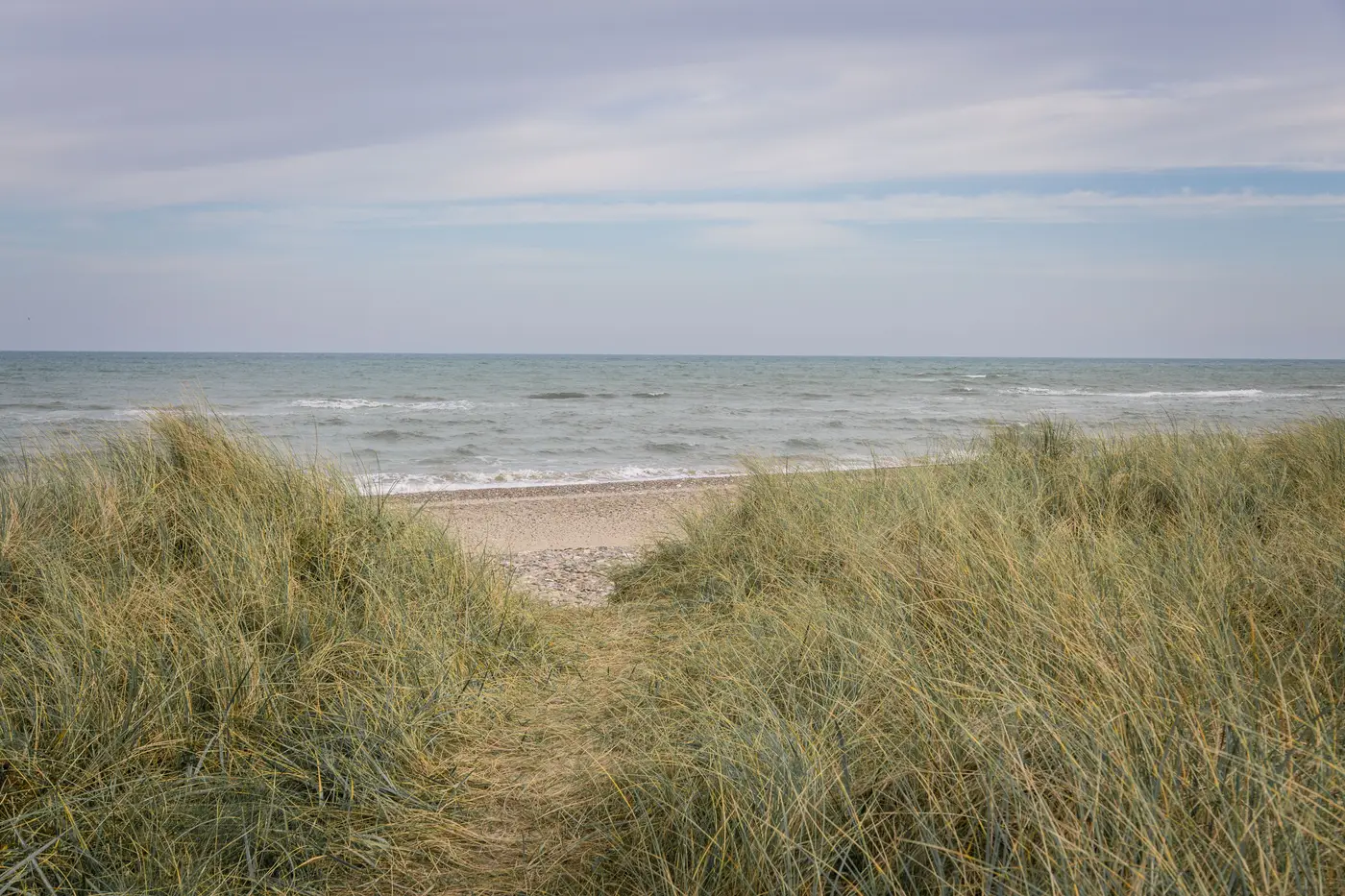
There's a particular kind of quiet that settles over a beach office after a big nor'easter. Not panic, usually. More like the quiet of someone doing math in their head and not liking the answer.
I spent a decade watching one stretch of barrier island put on weight. Nothing dramatic, just the slow accumulation you get from a nourishment project that actually held, some lucky summers, a dune line that filled in behind sand fencing and volunteer plantings. Survey after survey, the berm crept seaward. Call it a foot or two a year, some years more, some less. The kind of trend that makes a monitoring report boring, which is exactly what you want a monitoring report to be.
Then came a winter with three named storms inside six weeks, the last one parking offshore for two tide cycles longer than anyone's forecast had it doing. When the water finally dropped enough to walk the beach again, the dune toe that had been sitting forty feet back from where it started the decade was gone. Not eroded. Gone. The new scarp line sat almost exactly where it had been ten years before, like the ocean had reached into the filing cabinet and pulled out every annual report since and torn them up.
This is the part of the job nobody puts in the funding proposal: episodic erosion doesn't subtract from a decade of accretion the way a ledger would. It doesn't average out. A single storm with the right combination of surge, duration, and wave angle can remove more sediment in seventy-two hours than ten years of fair-weather gain put back. The shoreline doesn't care that the trend line was pointing the right way. It responds to the event, not the average.
What made that winter useful, in the grim way these things are useful, was that we had a clean annual record to compare against. Not a survey from five years back and a rough guess about what happened in between, but a waterline position for every single year leading up to it. That meant when someone upstream asked "did we lose a decade of nourishment investment in one storm," the answer wasn't a hedge. It was a line on a chart, segment by segment, showing exactly how far the dune toe had retreated at the inlet-adjacent sections versus the more sheltered middle of the island, where the loss was real but nowhere near as severe.
That distinction matters more than the headline number. A single storm rarely erodes a whole stretch of coast evenly. The segments near an inlet or a groin field take a different hit than the ones behind a healthy dune with deep-rooted vegetation. If your monitoring program only produces one shoreline position every few years, you can't separate "this segment is chronically retreating" from "this segment took a one-time hit and will likely rebuild." Those are two different management problems with two different budgets attached, and a coarse record collapses them into one number that tells you nothing useful about where to spend next season.
The storm also settled an argument that had been running for years about whether the nourishment project was underperforming. It wasn't. The annual gains had been real and measurable right up until the event that erased them. Having that record meant the post-storm conversation could be about recovery and future resilience, not about relitigating whether the original project worked.
Recovery runs on its own slow clock, nothing like the storm that set it off. Some of the segments we flagged that winter have crept back toward their pre-storm position over the following seasons. Others haven't moved an inch, and that's its own answer about which parts of the island are worth re-nourishing versus which ones are telling you something about the inlet dynamics that no amount of sand is going to fix.
None of that would have been visible without a waterline pulled at the same time every year, stretch by stretch, long enough to show both the climb and the fall. That's the whole case for building the comparison before you need it rather than after. Our annual waterline tracking approach is built for exactly that kind of before-and-after accounting, segment by segment, year after year.
If your district has a decade of gains you'd rather not find out about the hard way, it might be worth putting that record together now.